
7 Costly Mistakes Australians Make in Dubai Property Deals
Why Australians Are Flocking to Dubai in 2025
Aussie house prices remain stubbornly high, rental yields are compressing, and diversification is firmly on every sophisticated investor’s radar. Meanwhile, Dubai keeps chalking up eye-watering statistics: population growth above 2.5% per year, zero income tax, and gross rental returns that still hover between 6% and 9% in prime districts. Throw in a stable AED pegged to the US dollar and it’s no shock that more Australians are buying off-plan apartments in Business Bay or scouring Palm Jumeirah for holiday-let villas.
But a thriving, fast-moving market can be unforgiving to newcomers. Through dozens of client files, we’ve identified seven repeat errors that cost Australians both money and peace of mind. Learn them here—then sidestep them with confidence.
1. Relying on Off-Plan “Headline Prices” Without Stress-Testing the Payment Plan
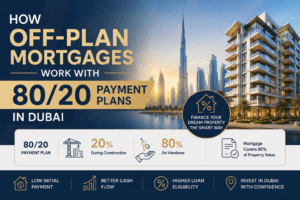
The mistake: Many projects market a seductive figure—say, “from AED 1.2 million”—but bury a complex payment schedule in the fine print. Aussie buyers used to 10%-on-exchange, 90% at settlement can underestimate cash-flow needs when Dubai developers ask for 10% booking, 10% every three months, then 50% on handover.
Why it hurts: Missing an instalment can trigger hefty penalties (up to 4% of the overdue amount per month) or, in worst-case scenarios, forfeiture of sums already paid.
How to avoid it:
- Map every milestone against your liquidity, not projected rental income.
- Hedge currency exposure for each stage payment; the AED/AUD can swing 3% in a single quarter.
- Ask the developer to clarify late-payment grace periods in writing—many will extend them if you negotiate upfront.
2. Ignoring the Oqood and Title Deed Timeline
The mistake: Assuming the initial Sales & Purchase Agreement (SPA) is enough to prove ownership. In Dubai, the developer must register the property with the Dubai Land Department (DLD) and issue an Oqood (off-plan registration) or final Title Deed (post-handover).
Why it hurts: Without Oqood you’ll struggle to onsell the asset, secure finance, or sponsor relatives for residence visas. Worse, delays can hint at underlying disputes between developer and master developer.
How to avoid it:
- Insert a clause in the SPA that imposes a financial penalty on the developer for Oqood delays beyond 60 days.
- Track the status yourself via the DLD REST app; don’t rely solely on sales agents.
- Engage a local conveyancer who can escalate to the DLD if the developer drags their feet.
3. Underestimating Service Charges and Sinking Funds
The mistake: Calculating yields on gross rent, not net of the annual service charge (strata fees) and ad-hoc sinking-fund levies.
Why it hurts: In high-end towers, service charges routinely hit AED 20-25 per square foot per year. On a 1,000 sq ft apartment that’s AED 25,000 (~A$10,500) straight off your rental income. Sinking-fund top-ups for façade refurbishments can add another AED 5-10k every few years.
How to avoid it:
- Request the last three years of service-charge statements from the owners association or developer.
- Compare multiple buildings in the same postcode; two towers 100 metres apart can differ by 30% in annual fees.
- Factor a conservative 5% contingency for occasional special levies.
4. Misreading Short-Term Let Regulations
The mistake: Buying with an Airbnb strategy in mind without confirming if the building (and emirate!) permits short-term letting.
Why it hurts: Dubai Tourism issues the permits, but building management can veto holiday lets. Non-compliance attracts fines up to AED 5,000 per booking.
How to avoid it:
- Ask the building’s Facilities Manager for the official “No Objection Certificate” regarding holiday homes.
- Budget for the annual Tourism Dirham licence (currently AED 1,520 for a one-bed) plus guest fees.
- If the building forbids short stays, switch tactics: long-term leases to corporate tenants often deliver a steadier 6% yield.
5. Believing You Can DIY the Conveyance From 10,000 km Away
The mistake: Foregoing professional help because “Dubai is a free-zone, paperwork is simple.” In reality you’ll juggle MoU drafting, DLD registration, utility transfers, NOCs from the developer, and trustee-office appointments.
Why it hurts: A single missing signature means extra flights or DHL delays that push settlement by weeks. In off-plan resales the transfer window can be as short as five business days.
How to avoid it:
- Grant a Power of Attorney (PoA) to a trusted advisor based in Dubai; it’s recognised by DLD once attested by the UAE embassy in Canberra.
- Use RERA-licensed conveyancers with a fixed-fee package that covers title verification, PoA execution, and trustee coordination.
- Schedule video check-ins at each milestone so you remain in control without the airfare.
6. Over-Leveraging With High-LTV Non-Resident Mortgages
The mistake: Snapping up the first bank that offers 80% loan-to-value for non-residents, overlooking total cost of credit.
Why it hurts: Interest rates for foreigners run 75–150 bps higher than resident rates. Add a 1% arrangement fee, life-insurance premium (mandatory in the UAE), and early-settlement penalties, and your “cheap” debt trims yields by an entire percentage point.
How to avoid it:
- Shop at least three lenders; Mashreq and Emirates NBD often have promotional rates for Australians holding AUD income.
- Calculate the APR, not headline rate, including insurance and one-off fees.
- If your goal is residency, consider a lower-LTV mortgage (50-60%); approvals are faster, and the DLD values you more favourably when issuing a Golden Visa.
7. Forgetting Exit Costs and Capital Repatriation Rules
The mistake: Budgeting only for purchase fees—4% DLD transfer fee, 2% agency—while ignoring exit hit-points.
Why it hurts: Upon resale you’ll face another 2% agent commission, AED 540 trustee office fee, mortgage release costs, and bank charges to repatriate funds to Australia. Currency conversion spreads alone can chew up A$5,000 on a A$1 million sale.
How to avoid it:
- Pre-negotiate the agent’s resale commission when you buy into the project; some will cap it at 1.5% for repeat clients.
- Open a multi-currency AED account at an Australian bank with Gulf presence (e.g., HSBC, Citi) to secure institutional FX rates.
- Hold sale proceeds in AED until a favourable AUD cross-rate emerges; there are no restrictions on moving capital out of the UAE.
A Quick-Reference Checklist for First-Time Buyers
- Clarify the full payment schedule, not just booking fee.
- Monitor Oqood/title issuance via DLD REST.
- Demand three-year service-charge histories and add 5% contingency.
- Verify short-term let permission both at emirate and building level.
- Engage a RERA-licensed conveyancer and issue PoA before signing MoU.
- Compare APRs across at least three banks; watch insurance add-ons.
- Plan your exit: agent fees, trustee fees, FX spreads.
Print it, paste it to your dashboard, and you’ll already be ahead of 90% of cross-border buyers we meet.

Common Questions We Hear From Australian Clients
Do I need to be in Dubai to open a bank account for property income?
No. Several UAE banks offer remote onboarding for non-resident investors via a certified PoA. Expect a minimum balance of AED 25,000.
Can I get a residency visa just by buying property?
Yes—provided the property is worth at least AED 2 million (≈A$830k) and is handed over (not off-plan). The current Property Investor Visa lasts two years or five years for values above AED 2 million with no mortgage.
What happens if the developer delays handover?
You’re entitled to compensation under Law 14 of 2008, but enforcement requires filing a case with the DLD’s Real Estate Regulatory Agency (RERA). A well-drafted SPA specifying delay penalties is your best safeguard.
Final Thoughts: Turn Pitfalls Into Profit
Every market has traps; Dubai’s just happen to be wrapped in glossy brochures and spectacular sea views. The good news? A disciplined process transforms those traps into upside. When you stress-test payment plans, quantify ongoing costs, respect local regulations, and lean on specialised advisors, Dubai’s 6-9% yields and capital appreciation potential become genuinely attainable.
Ready to take the next step—or troubleshoot a deal already in motion? Book a free, no-obligation strategy call with a Dubai-based consultant who understands Australian tax timelines and financing rules.
Visit https://dubaiinvest.com.au/contact today and invest smart, not sorry.