Top 6 Dubai Property Trends Shaping Expo City Phase II Investments
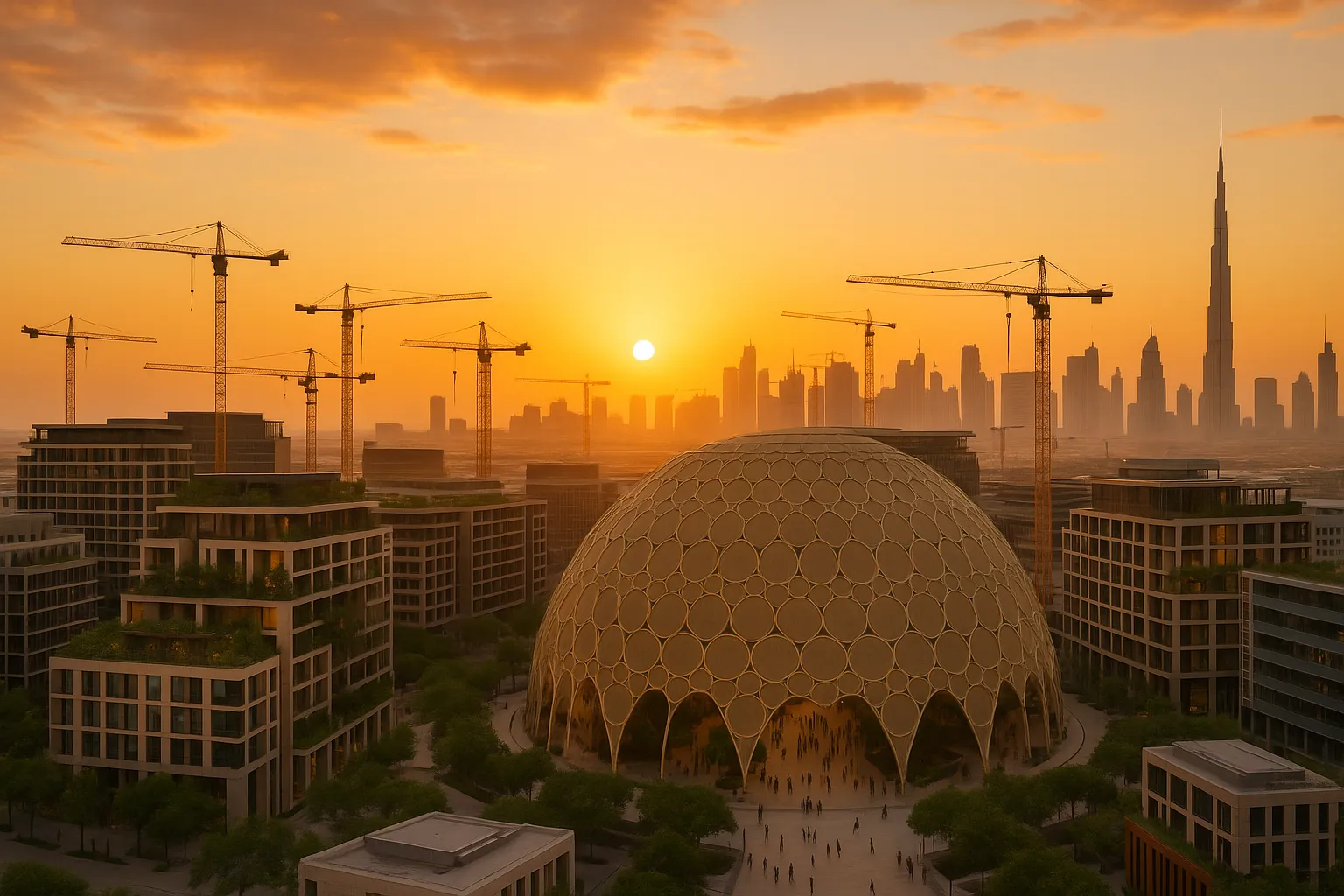
Dubai’s property market never stands still, and the city’s next growth spurt is already mapped out: Expo City Phase II. With construction cranes returning to the former Expo 2020 site and new residential clusters opening for sales in early 2026, Australian buyers are asking the same question: what will shape prices and rental yields over the coming five years? Below are six trends we believe every Aussie investor should track right now—backed by the latest data from UAE regulators, brokers and banks.
1. Rental Demand Is Migrating South-West
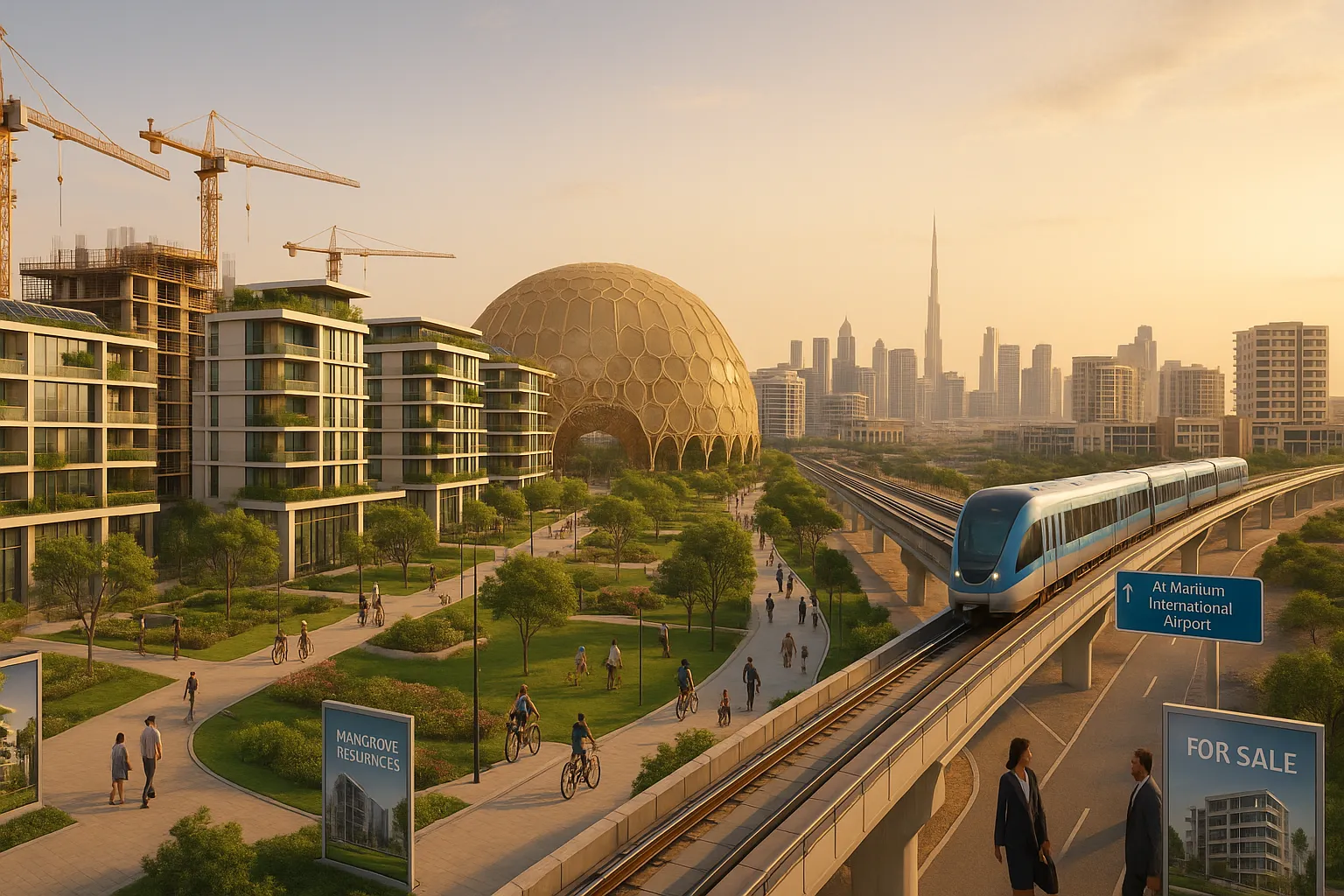
Though Dubai Marina and Downtown still headline glossy brochures, JLL figures show the strongest rental growth in 2024 occurred in Dubai South (19% YoY). That momentum is likely to accelerate as Expo City adds:
- 84 hectares of new mid-rise apartments aimed at tech workers and young families
- An extension of the Dubai Metro’s Red Line to Al Maktoum International Airport (under construction)
- A “15-Minute City” master plan with schools, parks and retail within walking distance
For Australian landlords focused on positive cash flow, incoming white-collar professionals (engineers, logistics and green-tech staff) are a ready tenant pool. Cushman & Wakefield estimates a 6.8% gross yield for two-bed units purchased off-plan in South District 2025 releases—compared with 4.9% in Downtown.
Tip for Aussies: short-term leasing on platforms like AirDNA-partnered Hala Homes is permitted in most Expo City towers, letting you pivot between corporate lets and holiday rentals tied to the nearby airport.
2. AUD Strength Makes Off-Plan Payment Plans Even Softer
The Australian dollar has stabilised around AED 2.45 in mid-2025, up 7% from its 2023 trough. Developers—keen to lure foreign buyers—are layering on post-handover payment plans that stretch 3–5 years. Typical schedule for a studio in Expo Valley:
- 10% on booking
- 50% during construction (six instalments)
- 40% after handover over 36 months
Because most schedules are denominated in dirhams, a stronger AUD reduces your cost base instantly. Locking a forward contract with an FX broker can secure today’s rate for future instalments—a strategy many of our Sydney clients use to protect margins.
3. Golden Visa Thresholds Keep Falling
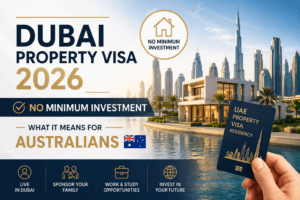
A game-changer for Australians eyeing a Dubai base is the UAE’s long-term residency. In 2022, the investment needed for a 10-year Golden Visa was cut to AED 2 million (~A$820k). In 2024, Dubai Land Department relaxed rules further:
- Off-plan properties now qualify so long as 50% of value is paid
- Finance through a UAE bank is permitted (previously cash-only)
Expect more easing before Expo City’s completion; officials target 100,000 new residents by 2030. Golden Visa perks—such as 100% business ownership, multiple-entry and sponsor rights for family—add a lifestyle and diversification play to a pure yield calculation. Read the official guidelines on the General Directorate of Residency & Foreigners Affairs website for updates.
4. Decarbonisation Is Turning ‘Green’ Premium Into the New Normal
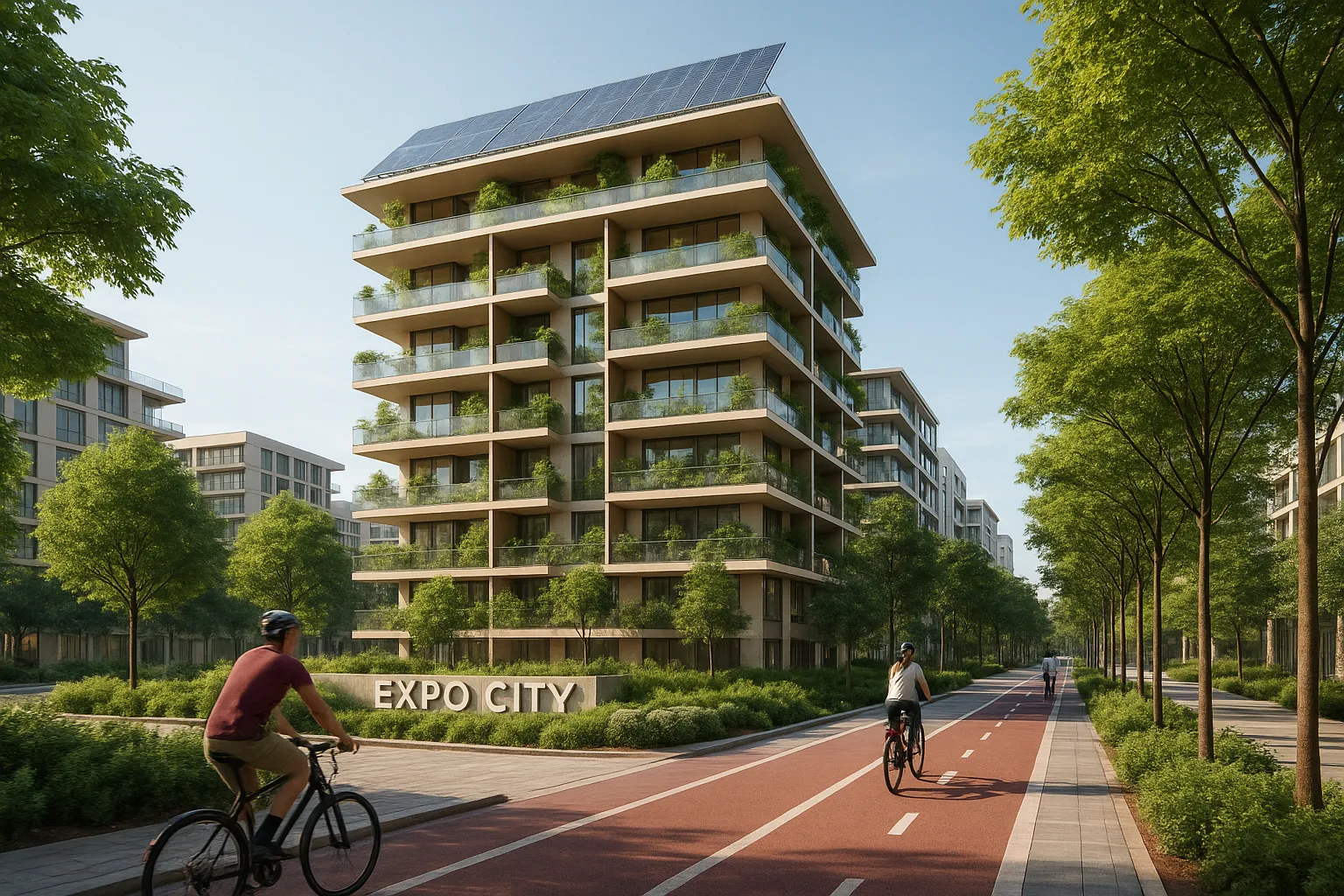
Dubai’s 2040 Urban Master Plan mandates that 60% of Expo City be dedicated to natural or semi-natural spaces. Developers are responding:
- Solar façades and district cooling have shaved 20–30% off service charges in pilot buildings.
- Buildings targeting LEED Gold fetch up to 8% higher resale values (Knight Frank, Q1 2025).
- ESG-minded institutional funds—think Australian super funds—are already snapping up whole blocks as part of net-zero mandates.
For private investors, factoring in green credentials isn’t about virtue signalling; it is a hedge against future regulation. Look for:
- DEWA Green Building Regulations compliance certificates
- Smart-metering infrastructure you can monitor from abroad
5. Co-Investment Platforms Are Maturing—and Regulated
Fractional ownership isn’t new, but 2025 is the year the UAE Securities & Commodities Authority began licensing prop-tech platforms. Certified operators such as Stake and SmartCrowd now offer:
- Minimum tickets as low as AED 2,000 (≈A$820)
- Independent SPV structures, ring-fencing each property
- Quarterly dividends credited in AED or AUD
Why this matters to Australians:
- An easy test-the-water entry before committing six figures
- Diversification across asset classes (short-term rentals, last-mile warehouses near Jebel Ali)
Remember: foreign tax rules apply. Rental income from Dubai is taxable in Australia, though double-tax treaties mean UAE withholding tax is nil. Our in-house tax partners can model after-tax returns—reach out via the contact form.
6. Stricter AML Rules Favour Professional Guidance
The UAE was removed from the FATF ‘grey list’ in February 2025 after ramping up anti-money-laundering (AML) measures. Practical changes investors will feel:
- Enhanced due-diligence checks when transferring funds from overseas
- Mandatory disclosure of ultimate beneficial ownership for SPVs
- Penalties for late Ejari (tenancy) registrations now automated
Translation: DIY conveyancing is becoming riskier. Partnering with a locally licensed brokerage—and ensuring your power-of-attorney documents are cross-certified at the UAE embassy in Australia—avoids costly delays.
At Dubai Invest, we bundle KYC, escrow monitoring and local legal review into one flat fee, slashing average settlement time from 45 days to under 30.
How These Trends Fit Together
Below is a snapshot of how the six forces intersect for a hypothetical Perth-based buyer eyeing a one-bed in Expo City’s Mangrove Residences:
| Factor | Impact on ROI |
|---|---|
| Rental migration to Dubai South | +2.5% yield uplift |
| AUD strength & payment plan | –A$22k effective cost |
| Golden Visa pathway | Adds family relocation option |
| Green building | Lower OPEX (service charges) |
| Fractional exit platforms | Liquidity window at Year 3 |
| AML compliance | Mitigates legal/settlement risk |
Net result: a projected 8.2% net yield, plus optional residency—outperforming comparable Sydney apartments by ~3 percentage points.
Frequently Asked Questions (FAQ)
Can I get a mortgage as a non-resident Australian? Yes. UAE banks such as Mashreq and ADIB lend up to 60–70% LTV for off-plan and completed units. Expect 6.25–7.5% variable rates in 2025.
Are service charges higher in Dubai than in Australia? Not necessarily. Mid-rise green buildings in Expo City average AED 12–15/sq ft annually, roughly A$6–7/sqm—often lower than strata fees in Sydney CBD.
Will Expo City Phase II properties be freehold? Yes. The entire Dubai South corridor is designated freehold, meaning 100% ownership for foreigners.
Do I need to be in Dubai for settlement? No. With a notarised Power of Attorney and digital signatures, the full process can be completed from Australia. Our team handles bank account opening, Oqood registration and utility hookups.
Ready to Explore Expo City Opportunities?
Staying on top of market shifts is easier when you have people on the ground. Book a free 30-minute strategy call with a Dubai-based advisor right from your desk in Melbourne or Brisbane. If you’re attending our upcoming Grand Business Conference, drop by the “Investing in Expo City” breakout session for an in-person deep dive.
Invest smart. Set up seamlessly. And let Dubai Invest be your gateway from Australia to the world’s most dynamic property market.