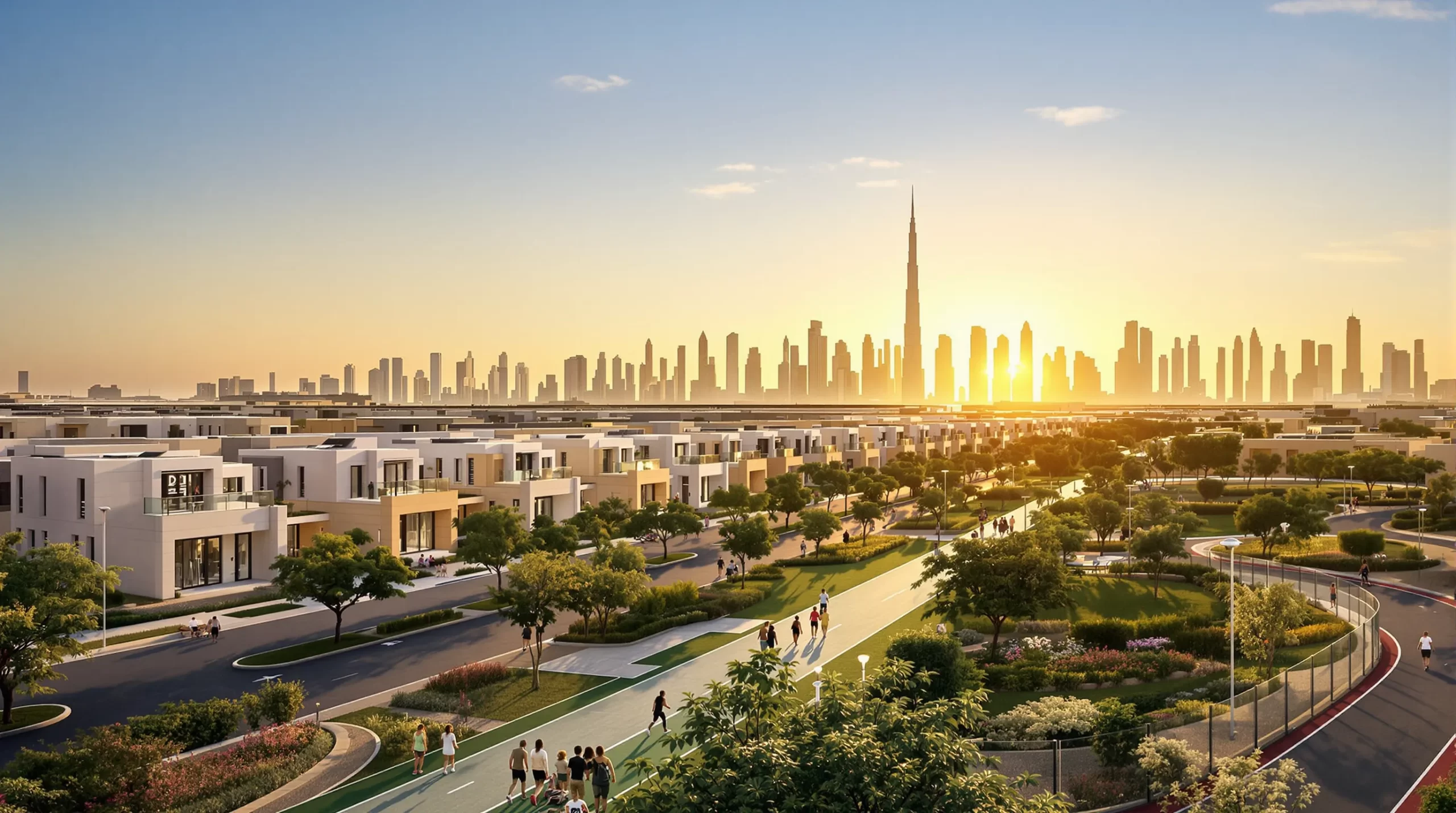
Environmental Impact of Dubai Property: ESG Insights for Investors
Investing Responsibly in the Desert Metropolis
Sustainability might not be the first thing that springs to mind when you picture Dubai’s glittering skyline, but the emirate is quietly positioning itself as a global leader in green construction and climate-smart urban planning. For Australian investors weighing up opportunities in Dubai real estate, understanding the environmental, social and governance (ESG) profile of a project is no longer a nice-to-have; it is quickly becoming central to long-term value and regulatory resilience.
In this guide we unpack the key ESG considerations that can help you choose developments aligned with both your financial aims and your environmental conscience.
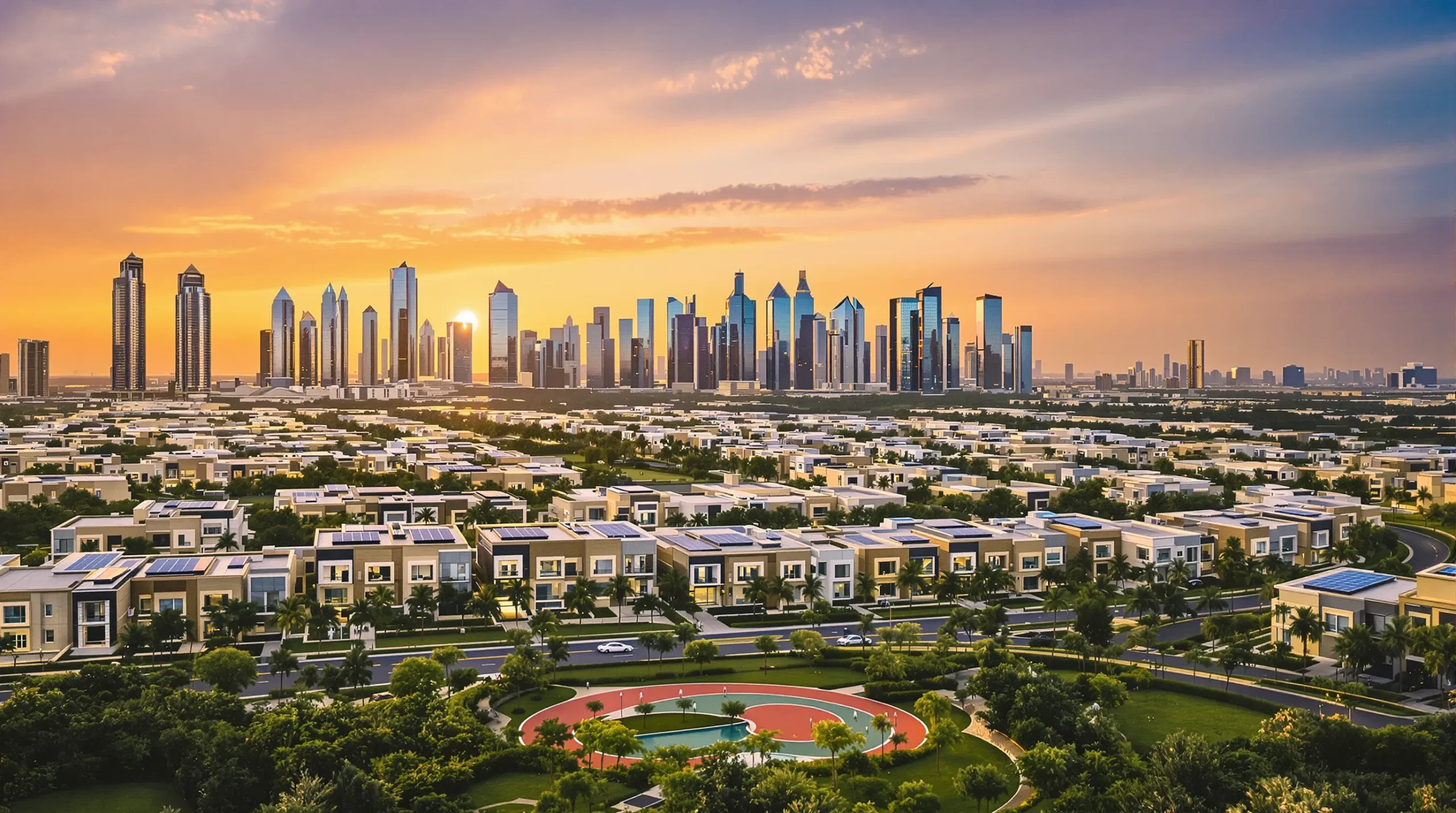
Why ESG Is Moving Up the Property Agenda
- Market demand: Research from Knight Frank (2025) shows that tenants across the GCC are willing to pay a 5–9 per cent premium for energy-efficient homes and offices.
- Regulatory tailwinds: The UAE Net Zero by 2050 Strategic Initiative targets a 23 per cent cut in building-sector emissions this decade. Compliance pressure will ultimately filter down to private landlords.
- Capital access: Major lenders such as Emirates NBD and HSBC now offer green mortgages and preferential terms for buildings with recognised certifications, lowering the cost of capital.
For investors aiming to future-proof their portfolio, factoring ESG into the due-diligence process is fast becoming essential rather than optional.
Dubai’s Sustainability Roadmap at a Glance
- Dubai Clean Energy Strategy 2050 aims for 100 per cent clean energy by mid-century, underpinned by the 5 GW Mohammed bin Rashid Al Maktoum Solar Park.
- Dubai Urban Master Plan 2040 reserves 60 per cent of the emirate’s land for nature, public parks and environmentally sensitive zones.
- Demand-Side Management Strategy targets a 30 per cent reduction in electricity and water consumption from 2021 levels by 2030.
These macro initiatives translate into stricter building codes, generous incentives for renewable generation, and a broader cultural shift towards low-carbon construction.
Key Environmental Standards and Certifications
Understanding the alphabet soup of green labels is crucial when benchmarking a project’s true sustainability credentials.
- Dubai Green Building Regulations (Al Sa’fat): Mandatory for new developments; the Silver tier is the baseline, while Gold specifies higher energy, water and materials targets.
- LEED (Leadership in Energy and Environmental Design): Global rating system; Platinum projects typically use 30–50 per cent less energy than traditional builds.
- BREEAM and WELL: Focus respectively on whole-life sustainability and occupant wellbeing. Often pursued for premium commercial towers to attract multinational tenants.
- Estidama/Pearl Rating: Technically Abu Dhabi-specific, but some master developers in Dubai adopt its framework for consistency across their GCC portfolio.
Tip: Ask the developer for independent certification documentation, commissioning reports and post-occupancy energy data. A glossy brochure alone is not proof of performance.
Evaluating Environmental Impact Beyond the Badges
- Energy efficiency: Check U-values of facades, window-to-wall ratios and whether district cooling is used (around 30 per cent more efficient than standalone chillers).
- Water stewardship: Look for dual plumbing, greywater recycling and low-flow fixtures. Dubai targets a 95 per cent recycling rate for treated wastewater by 2030.
- Embodied carbon: Concrete and steel remain emission heavy. Some developers now specify low-carbon cement mixes or modular construction to slash upfront footprints.
- Waste management: On-site segregation and contractual targets with haulers can divert up to 75 per cent of construction waste from landfill.
Gathering this data may sound technical, but your consultant or a qualified building-performance engineer can distil the numbers into an easy-to-compare scorecard.
Don’t Overlook the “S” and the “G”
- Social: Fair worker treatment, accessibility, community amenities (parks, clinics, public transport access) and long-term liveability metrics.
- Governance: Transparent ownership structures, anti-bribery policies, robust service-charge accounting and clear dispute-resolution mechanisms build investor confidence.
Dubai’s Real Estate Regulatory Agency (RERA) maintains a public track record of developer performance, making governance research more straightforward than in many peer markets.
Where Are the Green Hotspots?
- The Sustainable City: Net-zero ready, 10 MW rooftop-plus-carport solar system, 100 per cent water recycling and biodome agriculture. Villas achieve up to 50 per cent energy savings compared with conventional builds.
- Expo City Dubai: Repurposed World Expo site powered fully by renewables, with extensive pedestrian and cycling infrastructure.
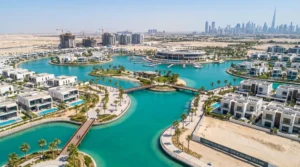
- Tilal Al Ghaf Lagoon: Incorporates 330,000 sqm of open space and a central photovoltaic farm designed to offset communal energy demand.
- Emaar South Green Collection: LEED Gold mid-rise blocks near Al Maktoum International Airport, targeting aviation-linked corporates.
Australian investors have been particularly active in villa clusters within The Sustainable City due to strong rental yields (7–8 per cent gross) and a waiting list of eco-conscious expatriate tenants.
Financing Incentives to Boost Returns
- Green mortgages: Typically 15–25 basis points cheaper than standard loans, subject to an approved building certificate.
- Service-charge discounts: Several master developers waive up to two years of association fees for buyers of units in low-carbon phases.
- Federal tax perks: While the UAE has no personal income tax, new corporate-tax rules allow accelerated depreciation for certified green buildings, benefitting investors operating through local entities.
Consult your tax adviser in Australia to map out the most efficient holding structure, especially if you plan to repatriate rental income.
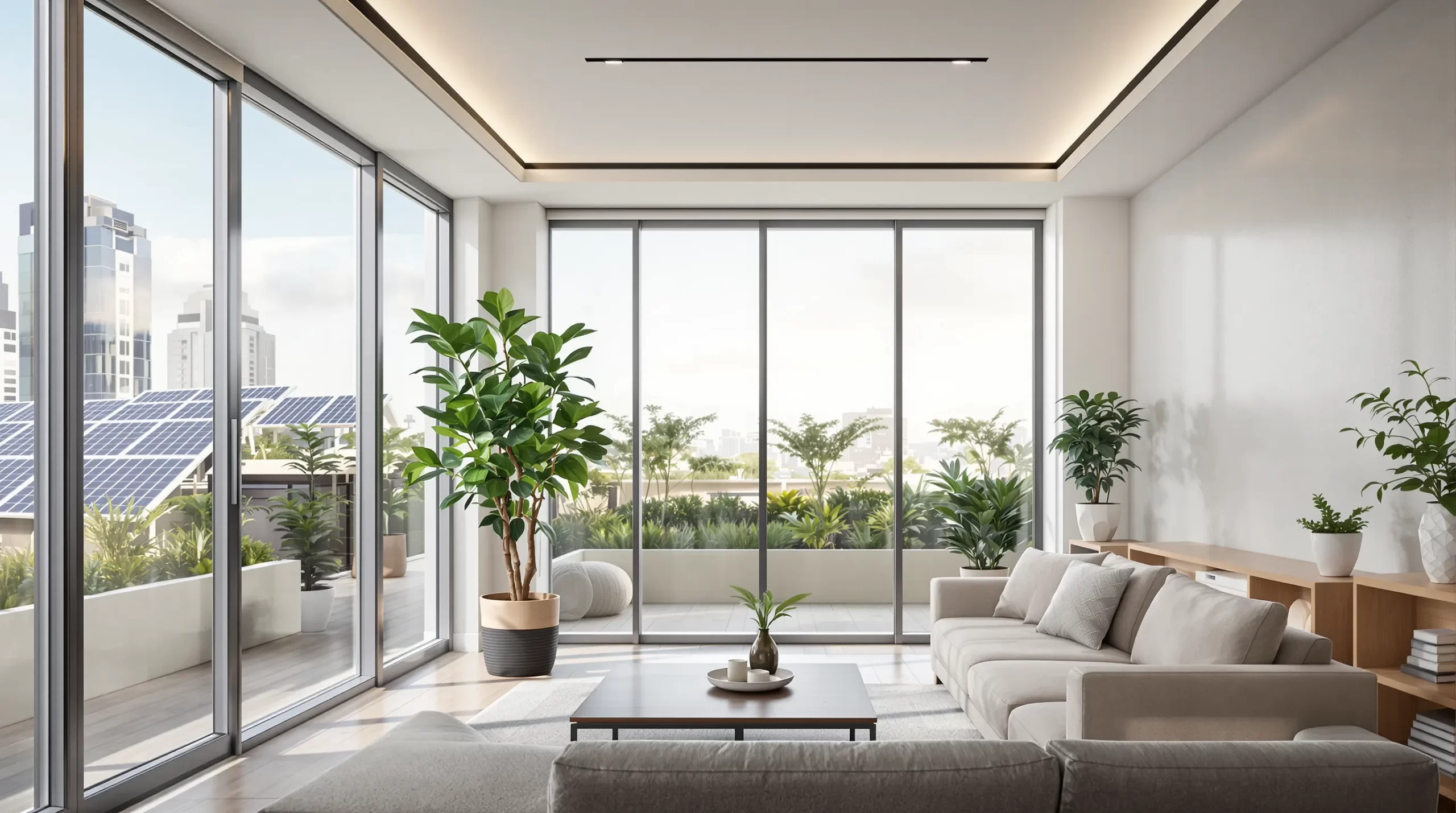
Practical ESG Due-Diligence Checklist
- Request LEED/Al Sa’fat certificates and verify on the issuing body’s website.
- Review commissioning reports for HVAC, lighting and plumbing systems.
- Inspect site safety and worker welfare documentation during construction.
- Analyse post-handover energy-use intensities (kWh/sqm) from existing phases.
- Evaluate developer’s governance track record through RERA dispute statistics.
If you prefer a hassle-free route, Dubai Invest can facilitate third-party audits and translate technical jargon into a simple go/no-go recommendation.
Case Study: 3-Bedroom Villa in The Sustainable City
- Purchase price (Q2 2025): AED 4.2 million (≈ AUD 1.7 million)
- Anticipated gross rent: AED 330,000/year (≈ 7.8 per cent yield)
- Service charges: 25 per cent below comparable non-green communities
- Energy savings: Around AED 15,000/year thanks to on-site solar offset
- Exit outlook: Resale premiums for similar units averaged 12 per cent above market between 2022 and 2024 (source: Property Monitor).
Not only does the villa outperform financially, but the owner also benefits from a 30 tonne annual CO₂ emissions reduction compared with a standard suburban home.
How Dubai Invest Can Help You Go Green
- Project curation: We shortlist developments that meet stringent ESG hurdles aligned with global best practice and Australian investor expectations.
- Technical verification: Our in-house engineers and partnered sustainability consultants audit documentation, site progress and post-completion performance.
- End-to-end execution: From reservation contracts through to property management and tenant placement, we keep a close eye on ongoing sustainability KPIs.
Explore our full service offering on the main website or join us at the upcoming Grand Business Conference where a dedicated breakout session will cover sustainable real estate trends in the GCC.
Frequently Asked Questions (FAQ)
Is it hard to resell green properties in Dubai?
Green-certified assets have historically enjoyed faster absorption rates and smaller price corrections during downturns, according to JLL MENA’s 2024 Green Value Report.
Do I need to fly to Dubai to complete ESG due diligence?
Not necessarily. With Dubai Invest’s remote viewing technology and digital document verification, you can complete most checks from Australia.
What is the difference between Al Sa’fat Silver and Gold?
Gold requires tougher limits on energy use intensity, stricter water benchmarks and higher recycled material content than the baseline Silver grade.
Are there extra costs associated with green buildings?
Upfront premiums range from 2–5 per cent but are typically offset within five years through lower utility bills and favourable financing.
Can I obtain a UAE residency visa by investing in a sustainable project?
Yes. Any property purchase above AED 2 million, including green developments, qualifies for a renewable 10-year Golden Visa under current regulations.
Ready to Build a Climate-Smart Portfolio?
Dubai’s transformation from desert boomtown to sustainable metropolis is well underway. By prioritising ESG-aligned projects today, you not only contribute to global climate goals but also capture premium rental demand, favourable financing and long-term asset appreciation.
Book a free 30-minute consultation with a Dubai Invest strategist and discover curated green opportunities tailored to Australian investors: