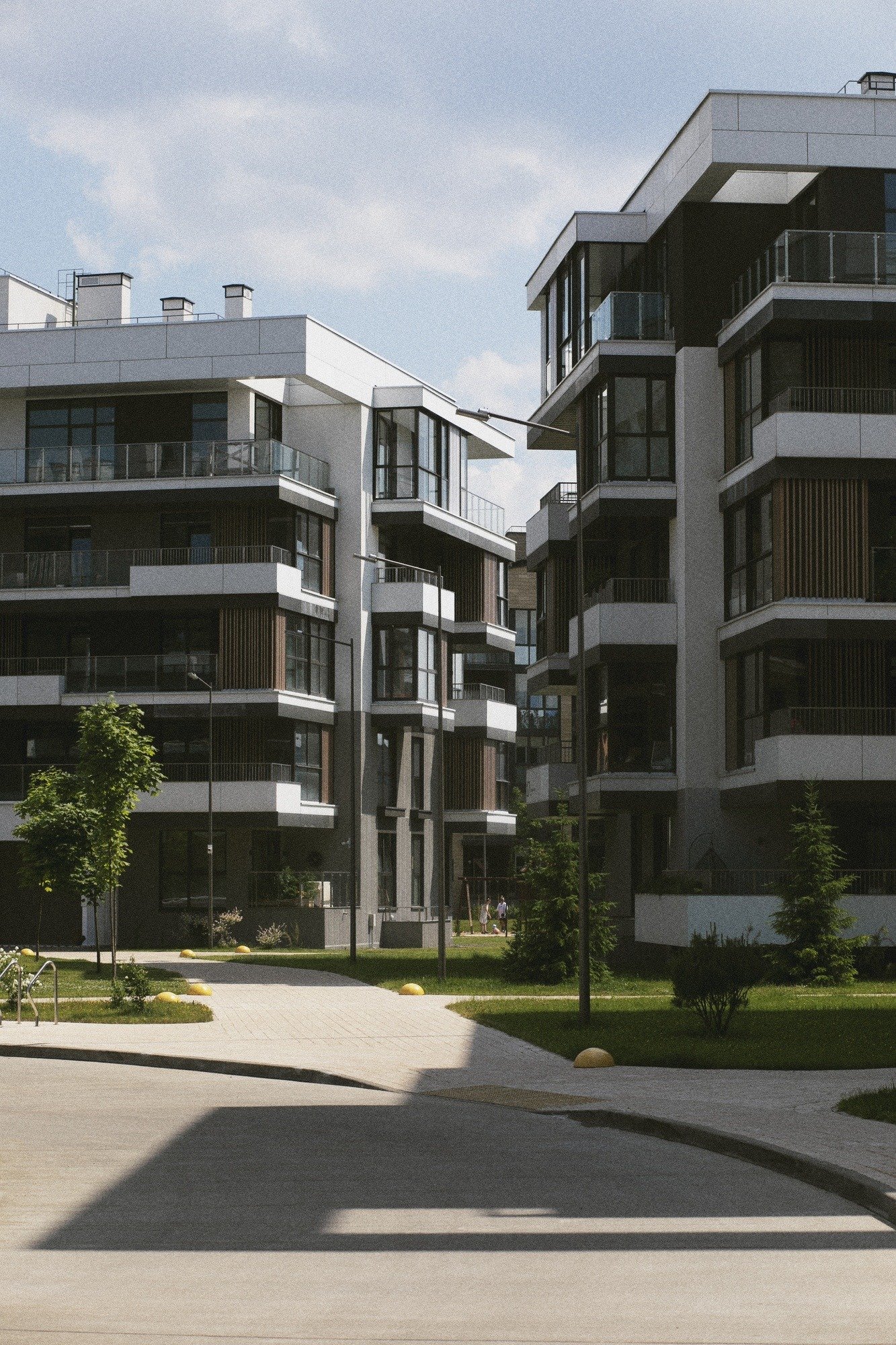
Flats to Buy in Dubai

High-growth locations. Flexible payment plans. Structured support for Australian investors

Looking for flats to buy in Dubai? Whether you’re searching for a high-return investment, a holiday home, or a long-term residence, Dubai offers some of the most attractive apartments for sale in prime freehold areas. From Downtown Dubai and Dubai Marina to Business Bay and Palm Jumeirah, buyers can access modern developments with flexible payment plans and strong rental demand.

Dubai’s property market is known for tax-efficient ownership, high rental yields (5–8% in key communities), and investor-friendly regulations. Overseas buyers can purchase flats in designated freehold zones with full ownership rights, making Dubai property investment accessible and secure.

At DubaiInvest, we help international investors identify the best off-plan flats, ready apartments, and high-growth communities based on budget, lifestyle goals, and return expectations. From property selection to due diligence and transaction support, we simplify the process of buying a flat in Dubai.

Why Australians Are Buying Flats in Dubai

Dubai apartments appeal to Australians for a mix of financial and lifestyle reasons:

  • Dubai is globally connected, with strong tenant demand across professional hubs and tourism corridors.
  • Foreign buyers can purchase freehold property in designated areas, making ownership more straightforward than many people assume.
  • Many Australians are seeking geographic diversification, currency diversification, and an alternative to low-yield residential markets.

Most importantly, Dubai’s property system is process-driven. If you follow the right sequence (shortlist, verify, contract review, KYC, funds routing, transfer, management), buying remotely from Australia can be done smoothly.

What Type of Flats Should You Buy in Dubai?

The “best” configuration depends on your tenant profile and exit plan.

Studios are often:

  • Easier to enter at a lower price point
  • High-demand in commuter-heavy areas
  • More sensitive to building quality and service charges

One-bedroom apartments are often:

  • The most balanced option for liquidity and tenant demand
  • Suitable for both long-term and short-term strategies (depending on area rules)

Two-bedroom apartments can:

  • Attract higher-quality long-term tenants
  • Work well in family-friendly or premium communities
  • Require tighter underwriting on vacancy, furnishing, and service charges

Off-plan can suit Australians who want staged payments and potential upside, but it requires stricter developer and contract due diligence.

Ready properties can suit Australians who want:

  • Immediate inspection (or third-party inspection)
  • Faster rental income
  • More conventional mortgage options (where applicable)

A practical rule: if your primary goal is cash flow in year one, ready stock is usually easier to underwrite.

Short-Term vs Long-Term Rental Strategy

Short-term rentals can outperform in specific tourism-heavy pockets and peak seasons, but they also add operator risk, furnishing costs, and regulatory steps.

Long-term rentals are typically simpler operationally and can be more predictable for Australians managing from Sydney, Melbourne, Brisbane, or Perth.

Dubai Invest regularly models both approaches for clients, including the management layer, real net yield, and FX assumptions.

Best Areas to Buy Flats in Dubai (2026)

Dubai Marina (Yield & Liquidity)

Dubai Marina is popular because it is liquid, internationally recognisable, and has deep tenant demand. The trade-off is that building-by-building selection matters, especially for service charges and maintenance standards

Downtown tends to sit in the prime segment. Many Australians like it for prestige, corporate tenants, and tourism demand. It can be resilient, but entry pricing can be higher, so underwriting must be disciplined

Mid-market communities such as JVC are often on Australian shortlists because they can offer strong rental demand relative to price, and a wide variety of building stock. The key is to avoid “headline yield” traps by verifying service charges, handover quality, and vacancy dynamics

Emerging corridors can be compelling in 2026, but they require patience and stronger due diligence. Infrastructure timelines, community maturity, and building completion risk become more important than marketing brochures.

Area Type Typical Appeal for Australians What to Verify Before Buying
Prime Core (e.g., Downtown-style) Stability, corporate tenants, global demand Entry pricing, service charges, unit views and layout
Lifestyle Hubs (e.g., Marina-style) Liquidity, short-term rental potential Building quality, owner association health, maintenance standards
Mid-Market (e.g., JVC-style) Value pricing, higher yield potential Developer track record, snagging quality, tenant mix
Emerging Corridors Growth upside and capital appreciation story Delivery risk, infrastructure timelines, resale liquidity

Entry Budget: How Much Do You Need to Buy a Flat in Dubai?

Budgets vary significantly by area, building quality, and whether the unit is off-plan or ready.

As a broad 2026 framing (indicative only), many Australians shop in tiers like:

Budget tier (AED)What you typically seeWho it often suits
EntryStudios and older 1-bedrooms in value areasFirst-time overseas investors focused on cash flow
MidNewer 1-bedrooms, some 2-bedrooms in mid-marketBalanced investors seeking liquidity and yield
PrimePrime locations, branded or larger unitsBuyers prioritising capital stability and lifestyle

The exact numbers change month to month. In a consultation, Dubai Invest can give you a current shortlist based on your target yield, preferred hold period, and whether you want mortgage leverage.

Flats to Buy in Dubai

Investment

Flats to Buy in Dubai

google logo

5 of 5

Rental Yield Comparison – Flats in Dubai vs Australia

A fair comparison is not “Dubai vs Australia”, it is “specific building vs specific building” after costs.

What often makes Dubai apartments look attractive on net returns for Australians is:

  • Lower recurring property taxes compared to many markets
  • Strong tenant demand in employment and tourism corridors
  • A wide range of unit sizes that fit different affordability bands

What often compresses returns in both countries:

  • Rising service charges or strata-like levies
  • Vacancy and leasing fees
  • Furnishing and refresh cycles (especially for short-term)

Dubai Invest typically underwrites Dubai deals using conservative assumptions on vacancy, service charges, and FX so Australians can compare a Dubai flat to an Australian investment property on a like-for-like basis.

Risks to Consider Before Buying a Flat in Dubai

Dubai is investor-friendly, but it is not risk-free. Key risks Australians should plan for include:

  • Developer and project risk (especially off-plan)
  • Service charge creep and building maintenance quality
  • Currency movement between AUD and AED
  • Overpaying for marketing-driven “guaranteed yield” claims
  • Documentation and compliance delays affecting settlement timing

A consultation is where these risks become measurable rather than vague, because you can review a specific building, specific contract terms, and an actual cash flow model.

Can Australians Get a Mortgage to Buy a Flat in Dubai?

Yes, many Australians can access non-resident home loans in the UAE, subject to eligibility and documentation.

Typical non-resident lending parameters can include moderated loan-to-value ratios and specific document packs (income evidence, bank statements, identity and address documents). For an overview, see: Non-Resident Home Loan.

Dubai Invest can help you compare lending options, prepare the lender-ready file, and align loan timing with the property transfer schedule.

Should You Buy Personally or Through a Structure?

This is not a one-size decision. Your structure can affect:

  • Banking and payments
  • Succession and estate planning
  • Liability and partner arrangements
  • Australian reporting and compliance complexity

Many Australians start personally for simplicity, while others use a structure when they plan to scale to multiple units, co-invest, or integrate a business presence. Dubai Invest can coordinate the property strategy with company setup planning when it makes sense.

Flats vs Villas in Dubai – Which Is Better for Investment?

Flats often win on:

  • Lower entry cost
  • Broader tenant demand
  • Easier leasing and resale in many mid-market buildings

Villas can win on:

  • Family-tenant demand
  • Scarcity in certain communities
  • Lifestyle use for relocating families

The best choice depends on your timeline, budget, and risk tolerance. If you are comparing both, Dubai Invest can provide parallel shortlists so you can compare net yield, fees, and exit liquidity.

How Dubai Invest Helps Australians Buy Flats in Dubai

Australians rarely need “more listings”. They need verified stock and a clean execution process.

Dubai Invest supports you with:

  • Strategy consult to align budget, yield target, and residency goals
  • Shortlisting of suitable flats, including off-market and pre-launch where available
  • Due diligence coordination (developer checks, contract review workflow, escrow and registration checks)
  • Remote buying support, including documentation handling and settlement coordination
  • Post-purchase support such as management introductions and rent-readiness planning

If you are actively researching flats to buy in Dubai, start with a consultation and get a tailored shortlist rather than generic options. Explore Dubai Invest for expert guidance and current opportunities: Dubai Invest.

Frequently Asked Questions

What are the best areas to buy flats in Dubai?

Popular areas include Downtown Dubai, Dubai Marina, Business Bay, Palm Jumeirah, and JVC. The best location depends on whether your goal is rental yield, capital growth, or lifestyle use.

Prices vary by location and size. Entry-level flats in mid-market areas start lower, while prime areas like Downtown and Marina command premium pricing. Additional costs include DLD fees (4%), agency fees, and service charges.

Average rental yields range between 5% to 8% annually, depending on the area, property type, and market conditions.

  • Off-plan flats offer flexible payment plans and potential capital appreciation.

  • Ready flats generate immediate rental income.

The right choice depends on your investment strategy.

Invest in Dubai
Grow from Australia