Prime industrial warehouses in Dubai’s top logistics hubs.
Secure high-ROI assets with strategic locations, strong rental yields, and long-term investment growth.
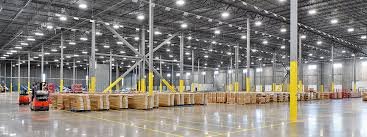
Warehouses for sale in Dubai are attracting attention from industrial operators and investors looking for space that sits close to trade routes, free zones, and last-mile delivery corridors. For Australian buyers, the appeal is often a mix of portfolio diversification and Dubai’s role as a regional logistics hub. Before you proceed, it is crucial to understand freehold vs leasehold zones, because industrial assets are not owned the same way everywhere in the UAE. Many investors also explore the sector because of high rental yields in logistics sector scenarios, supported by Dubai’s strategic access to ports, airports, and major highways. With ongoing industrial growth and e-commerce demand, warehouses can be compelling, but only when the title structure, tenant terms, and costs are properly verified.
For a step-by-step overview of the acquisition journey, see: https://dubaiinvest.com.au/what-is-the-step-by-step-process-for-buying-property-in-dubai/
Dubai’s logistics ecosystem supports regional distribution across the GCC, Africa, and South Asia. Increased e-commerce penetration and fast delivery expectations keep demand strong for well-located storage, fulfilment, and light-industrial space

Dubai’s time zone, connectivity, and trade infrastructure make it a natural midpoint for international supply chains. For operators, this can reduce shipping lead times. For investors, it can broaden the tenant pool beyond purely local businesses
Assets located near Jebel Ali Port and Al Maktoum International Airport (Dubai World Central) can benefit from concentrated freight and distribution activity. Demand is typically strongest for units with efficient truck access, loading bays, and clear compliance with zone regulations
Industrial property yields are often discussed in the 6 to 9% range depending on location, tenant quality, lease structure, service costs, and market cycle. This is not a guarantee, and deal-level underwriting is essential
Warehouses frequently attract longer leases than many office segments, particularly when the tenant invests in fit-out, racking, cold storage equipment, or compliance upgrades. Longer leases can improve income visibility, provided the tenant covenant is strong
If you’re comparing industrial to mixed commercial plays, also review:👉 https://dubaiinvest.com.au/services/commercial-space-investment-in-dubai/
Ownership is commonly leasehold in many industrial clusters, with demand driven by logistics, freight forwarding, and trading companies. Tenant types often include import-export operators, 3PL providers, and distribution businesses that need port proximity
Dubai Industrial City is purpose-built for industrial use, with strong demand from manufacturing and distribution tenants. Ownership can be structured through long leases and zone-specific rules, so buyers should verify what is transferable, registrable, and financeable
Dubai Investment Park (DIP) is a mixed-use industrial and commercial area with established infrastructure and a broad tenant base. Demand is often supported by SMEs, light manufacturing, and service businesses that need practical connectivity
Al Quoz is known for its central location and a mix of industrial, creative, and showroom activity. Many properties are leasehold and can be attractive for businesses prioritising access to established neighbourhoods and shorter distribution runs
Ras Al Khor is close to key corridors and can appeal to operators serving central Dubai. Tenant types can include workshops, storage, and trading businesses, but buyers should pay close attention to zoning, access, and property condition
Foreign buyers can acquire commercial property in Dubai, but the ability to purchase freehold warehouses depends on the area and the specific title structure. In many industrial locations, the practical reality is long-leasehold rather than true freehold.
Free zones and mainland jurisdictions can have different licensing, operating, and ownership frameworks. Some free zones allow purchase or long-term lease arrangements that suit industrial users, but the rules vary significantly between zones.
It is common to see 25, 50, or 99-year lease structures in industrial property. These can be workable for both operators and investors, but the lease terms, renewal clauses, and transferability should be reviewed carefully.
Where the asset is registrable with Dubai Land Department, the title and transfer process should be clear, and you should understand what document you receive at the end (title deed or equivalent long-lease registration documentation).
RERA is closely associated with Dubai’s real estate regulation landscape. For commercial property, the practical focus is on ensuring the broker, documentation, and registration path are legitimate and consistent with local rules.
A structured workflow is essential when you’re evaluating Residential Land for Sale in Dubai remotely.
Net outcomes vary widely based on service costs, maintenance responsibility, vacancy periods, and tenant strength. Investors should model conservative occupancy and include all recurring costs
Warehouse leases can be longer and more stable, especially when tenants require specialist fit-outs. That stability is valuable, but it also increases the importance of tenant credit assessment.
Some industrial leases shift more operating expenses to the tenant (repairs, insurance, certain maintenance). Where available and enforceable, this can make income more predictable, but the lease must be reviewed for clarity on responsibilities
Appreciation is typically linked to infrastructure, logistics corridor maturity, scarcity of quality stock, and zoning changes. Warehouse values can also move with financing availability and broader business sentiment.
Ensure the new title deed correctly reflects the buyer name and details.
Commercial exits can be less liquid than residential in some cycles. Before buying, consider who your future buyer is likely to be, an owner-occupier, another investor, or a developer repositioning the asset
Designed for storage and fast dispatch, often prioritising loading bays, truck circulation, and high clear heights.
Specialised facilities for food, pharma, and temperature-sensitive goods. Due diligence should include equipment condition, power redundancy, and compliance requirements.
Light industrial and production spaces where power capacity, ventilation, and permitted activities matter as much as size.
Hybrid assets that combine display space with storage, often favoured by trade businesses that need customer-facing frontage.
Higher clear height can increase operational efficiency and improve tenant demand, but verify structural specs, racking compatibility, and safety certifications.
Dubai’s logistics ecosystem supports regional distribution across the GCC, Africa, and South Asia. Increased e-commerce penetration and fast delivery expectations keep demand strong for well-located storage, fulfilment, and light-industrial space
Identify freehold industrial zone
Due diligence & valuation
Sale agreement signing
Dubai Land Department registration
Title deed issuance
If your purchase uses a long-lease structure rather than a standard freehold title deed, the “title deed issuance” step may be replaced by the relevant long-lease registration or zone-issued ownership document. This is exactly where a deal-level consultation helps, because the correct end document determines financeability and resale options.
A DLD transfer fee is commonly referenced as 4% for many transactions, but always confirm the applicable fee for your asset type, jurisdiction, and deal structure.
Brokerage fees vary by market segment and negotiation. Confirm in writing who pays, how much, and what services are included.
Additional registration and admin charges may apply depending on whether the asset is transferred via DLD or a zone-specific authority.
Some industrial assets have service charges, community fees, or shared infrastructure costs. These directly impact net yield.
Commercial property transactions may attract VAT depending on the nature of the property, whether it is a taxable supply, and the seller’s VAT status. This should be confirmed with a qualified tax advisor before signing.
| Feature | Warehouses | Office Space |
|---|---|---|
| Yield | Higher (typically) | Moderate |
| Lease Term | Longer | Shorter |
| Tenant Stability | Strong | Variable |
Industrial deals reward precision. The same warehouse can be a great investment or a costly headache depending on title structure, tenant clauses, and hidden costs. Working with a specialist helps you avoid missteps, especially when you are buying from Australia.
DubaiInvest can assist with:
Jomon Ulahannan and the DubaiInvest team bring practical on-ground Dubai experience, including business experience in Dubai, which is particularly valuable when negotiating industrial terms and coordinating cross-border documentation.
Yes, foreigners can buy commercial property in Dubai, but availability of freehold warehouse titles depends on the area and asset. Many industrial assets are long-leasehold
Industrial yields vary by location, tenant, lease structure, and costs. Market discussions often reference mid to high single digits, but results are deal-specific and not guaranteed
Some may be, but many warehouse options are leasehold or long-leasehold. Always confirm the title type and transferability before committing.
VAT can apply to commercial property depending on the transaction structure and VAT status of the seller and property. Obtain tax advice before signing
It depends on your strategy, logistics needs, and tenant target. Areas such as Jebel Ali, Dubai Industrial City, and Dubai Investment Park are often considered for industrial demand, but deal-level due diligence matters most